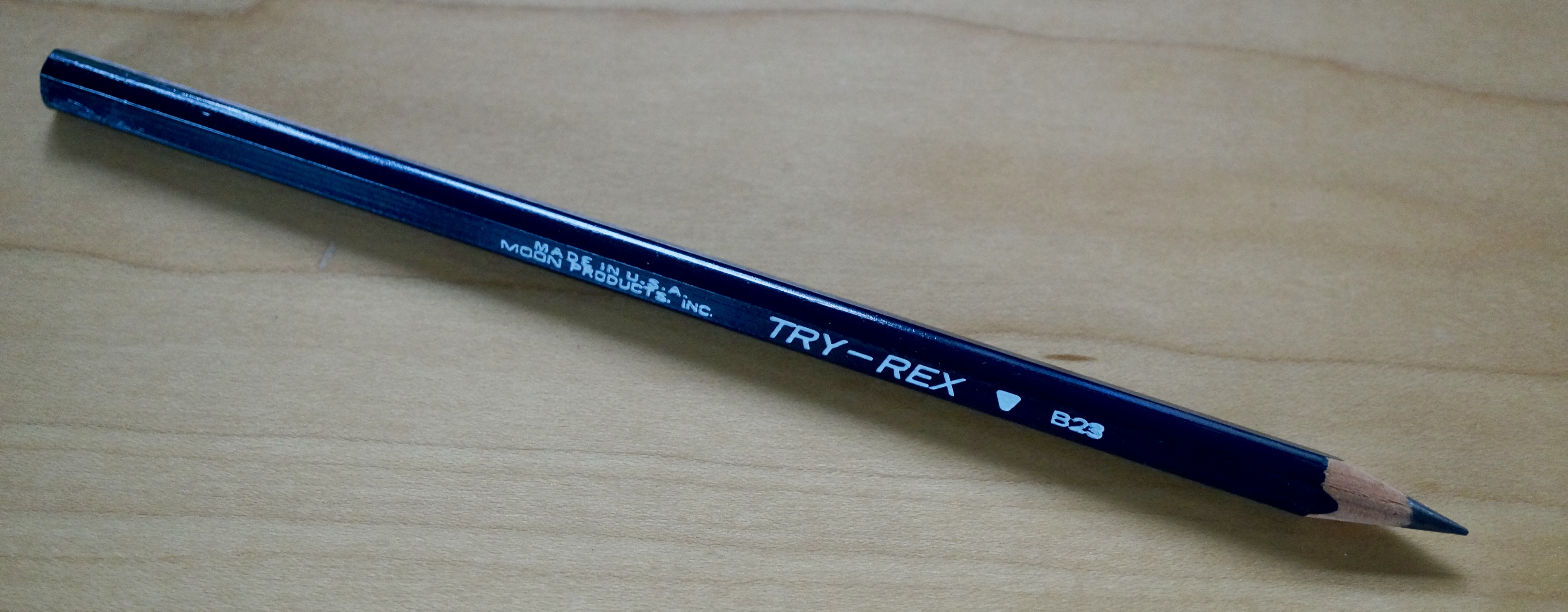
The J. R. Moon Try-Rex B23 pencil made an appearance at this website in 2011 as part of a larger look at J. R. Moon. Let’s take a look at this unusual pencil, and update the 2011 article!
The pencil
There are three things that immediately set this pencil apart: the typography, the shape, and the history of Moon and the pencil’s general vintage appearance and presentation.
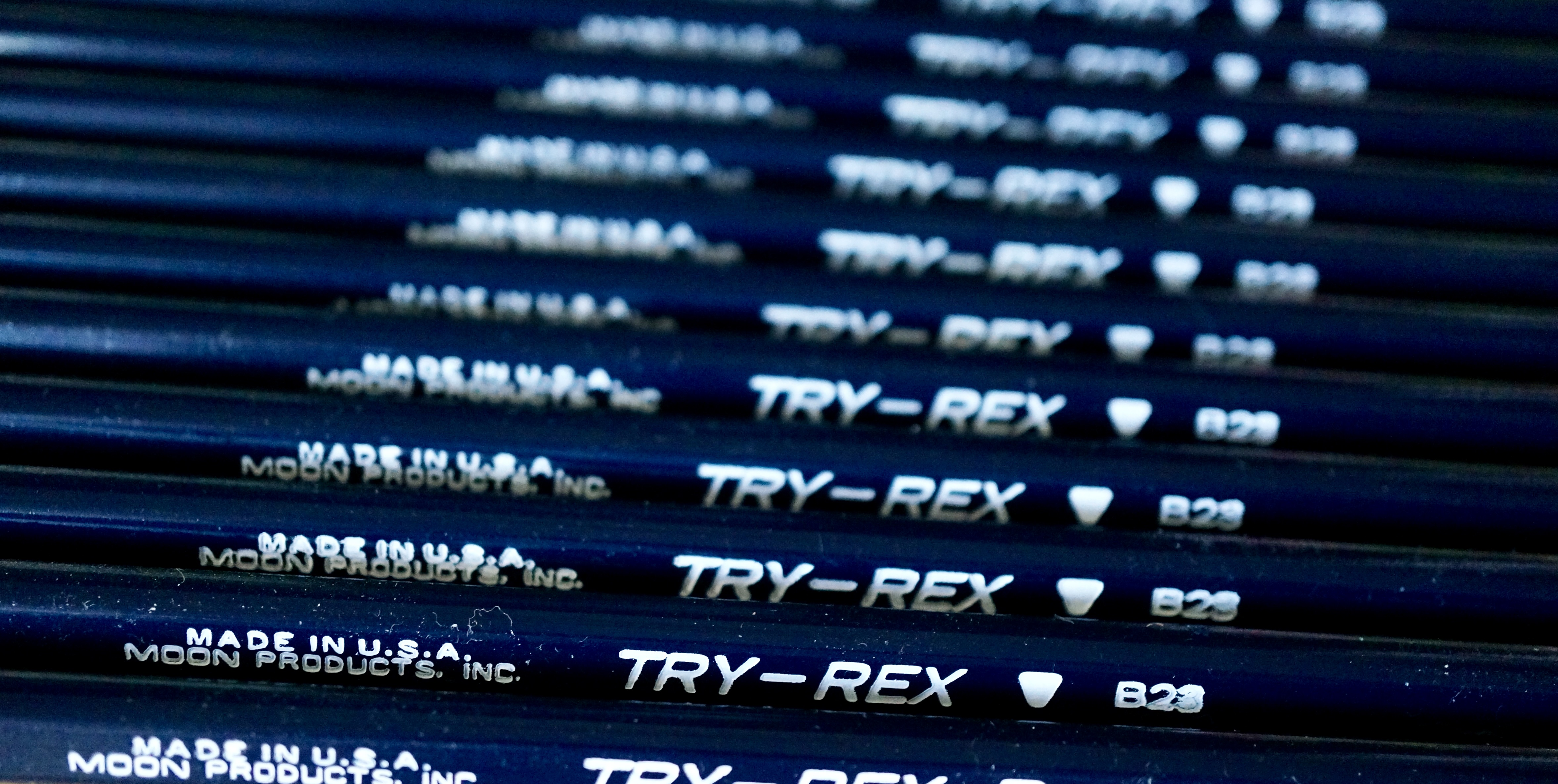
First, the imprint and typography are clearly vintage in appearance. “Moon Products Inc.” is an operating name adopted possibly in 1999, so the pencil imprint may be ~25 years old. This pencil, the slightly larger cousin B21 pencil, and the Big Dipper are the last brand name products referencing Moon that I am aware of. (There is also an unmarked Moon pencil available in bulk.) They also have products under more modern corporate names.
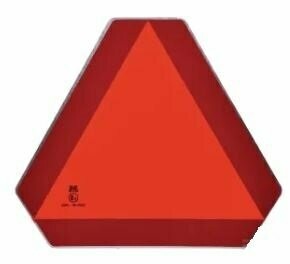
Now the shape. In 2011 I wrote that the shape was “an equilateral triangle with rounded corners.” Please let me correct that. A quick view might lead one to think that, but having sharpened and used this pencil the last two weeks, the pencil is definitely a truncated triangular shape, which is a type of non-regular hexagon with alternating long and short sides. It is this shape:
This unusual shape creates a very interesting artifact when sharpened:
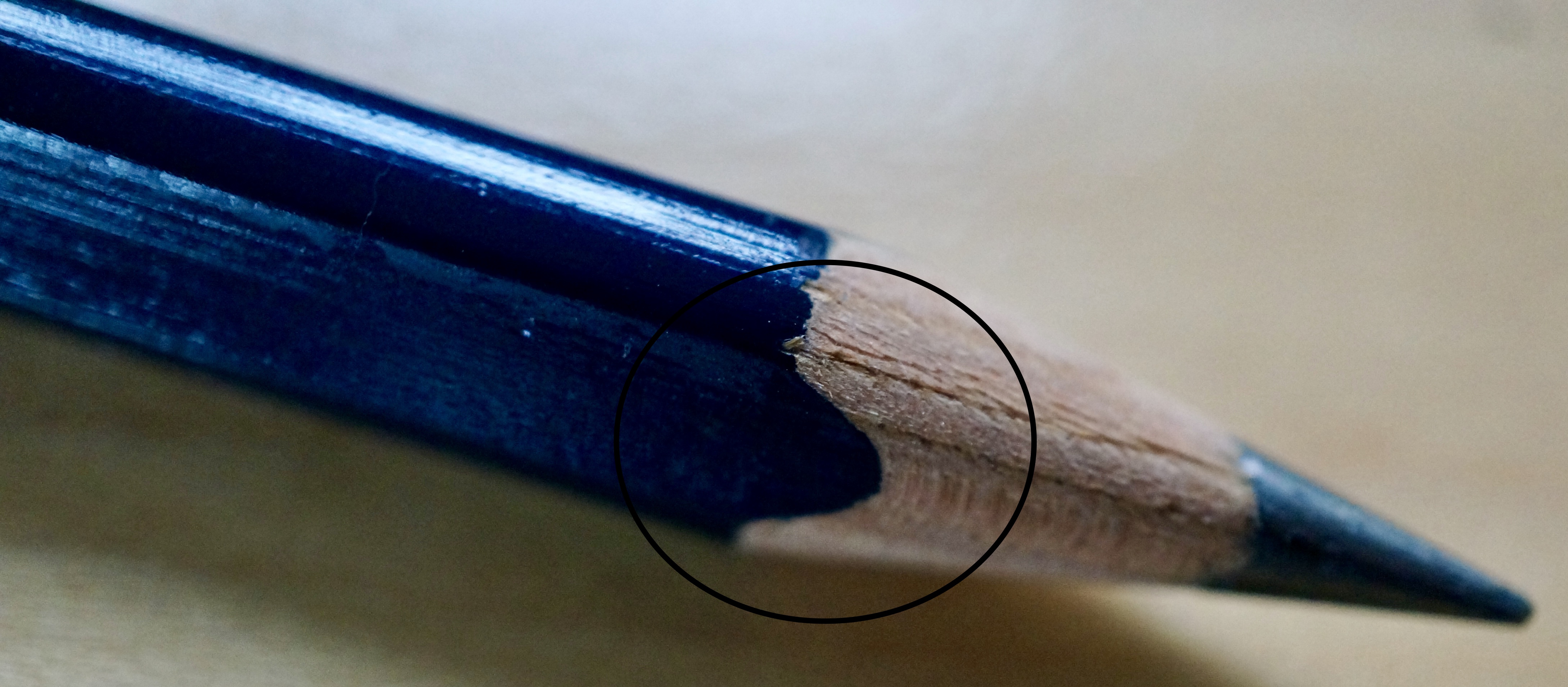
There are online assertions that the shape is patented, but I can not locate such a patent. Please let me know if you have a reference.
I agree with what I wrote in 2011 about the pencil overall. It has a superior cedar wood casing, the paint is thick, and the lead is a smooth delight. Maybe a notch less dark than a Japanese HB, but very nice on smooth Clairefontaine paper. And the core is an oversized 3mm (a standard pencil is 2mm). It’s really a pencil meant to be used. Whether you like the shape will be a personal decision.
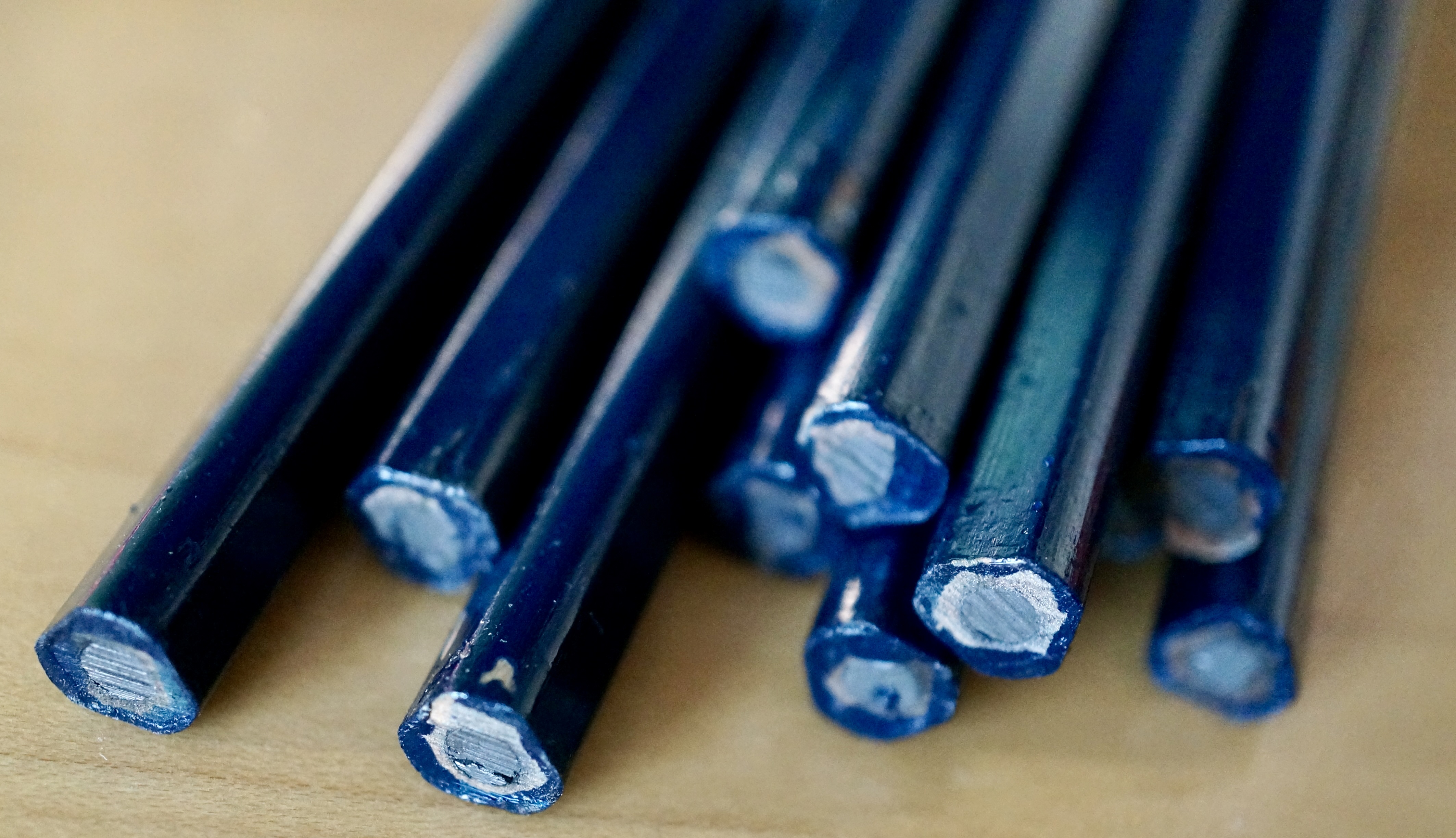
The ends are unfinished with paint spilling over. Perhaps one of the last pencils in the world made this way?
The manufacturer
To review the history of this company (much more detail in the 2011 article):
1961 – J. R. Moon Pencil Company was founded by James R. Moon.
1999 – the company became Moon Products, Inc.
2003 – crayon maker RoseArt Industries Ltd. purchased Moon Products Inc.
2005 – Mega Bloks Inc. (a predecessor name of Mega Brands) acquired RoseArt
2008 – Mega Brands announced they might sell RoseArt
Since that article, there have been many events. In particular, in 2014 toy giant Mattel acquired Mega Brands. Then in 2021, Mattel sold RoseArt to LaRose Industries. LaRose is owned by the Rosen family, the original owners of RoseArt. LaRose had been using the commercial name Cra-Z-Art, which exists alongside RoseArt. You can see their pencil products on this page. The most famous product is definitely the USA Gold pencil.
Two interesting things about this manufacturer. First, the size of the company. With the major US brands having moved overseas, there is only a small group of remaining manufacturers: General, Musgrave, Moon, Wagner. When RoseArt bought Moon in 2003, they said Moon was the second largest US manufacturer – and Dixon and Sanford were around. And when LaRose bought Moon from Mattel in 2021, their press release referred to “the Rose Moon factory in Lewisburg, Tennessee, America’s largest pencil factory. Wow, that’s news. Is Moon actually at Dixon/Sanford scale, and much larger than General or Musgrave? Certainly the USA Gold pencil has a major retail presence, something I don’t believe the others have achieved.
ZoomInfo says General has 11-50 employees and revenue under $5M. They claim Musgrave has 51-200 employees and revenue of $16.2M. And they put Cra-Z-Art at 51-200 employees and $21.7M in revenue. Broad ranges and not conclusive, but still interesting.
The second interesting thing is that Moon has also been in the news for a trade dispute. Cedar Alliance is disputing that Moon/RoseArt/Cra-Z-Art pencils are really made in the USA. The issue has been referred to the US Federal Trade Commission (FTC).
“Cedar Alliance challenged Larose Industries’ advertising claims about the country of origin of its pencils, arguing that despite using phrases like “Proudly Made in USA” and using American-themed imagery, the pencils are made from components sourced from China and involve foreign manufacturing and assembly.”
Let’s see what happens.
And – what is “Cedar Alliance”? I am guessing that anyone still reading may already know – it seems to be a new business owned by members of the same family that owns CalCedar. Their website states, “We distribute wholesale pencil slats made from Incense Cedar, Basswood, and Poplar to manufacturers worldwide, including GIUSA pencil slats sourced from American Basswood and Yellow Poplar grown in the United States.” I will leave it there for now – there is other pencil industry news that we’ll save for future posts.