
Red and Blue pencils

Red and Blue pencils

An interesting traditional specialty pencil is the red and blue pencil. Still manufactured today, this pencil is one half red, one half blue. (Both lead and varnish.)

While accounting, school, and editorial uses for this pencil may be traditional, I can imagine many other functions, including U.S. political consultants using these to plot on electoral maps.
Red and Blue pencils

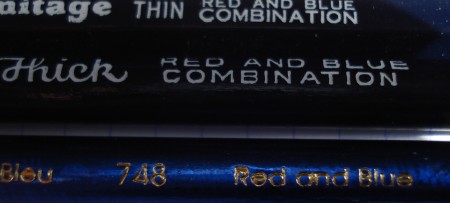
Though I saw an interesting Koh-I-Noor at Lexikaliker, the three pencils I was able to quickly acquire from the excellent pencilthings.com were:

Musgrave Hermitage Thin 525 Red and Blue Combination
Musgrave Harvest Thick 725 Red and Blue Combination
Prismacolor Verithin 748 Red and Blue

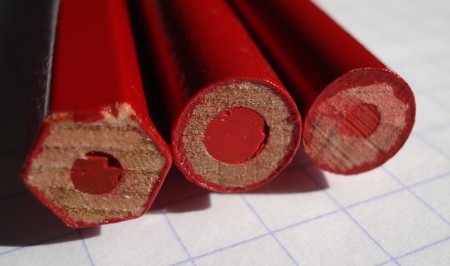
The “Thin” and “Thick” labels of the Musgrave refer to the pencil cores – not the pencil diameter. The shape is the externally distinguishing feature – the Hermitage is hexagonal, while the Harvest is round. The Prismacolor pencil is also round.
Red and Blue pencils

While attempting sharpening, I found the leads of both Musgrave pencils to repeatedly break in a variety of sharpeners – especially the red ends. The Hermitage in particular seemed extremely averse to sharpeners. The Prismacolor pencil had no such problems.

As pencils, each had merits – the Prismacolor had the richest and most vibrant colours – so it would be the best on a blank sheet – yet the lighter and more muted tones of the Musgraves might be better for correction on a printed page.

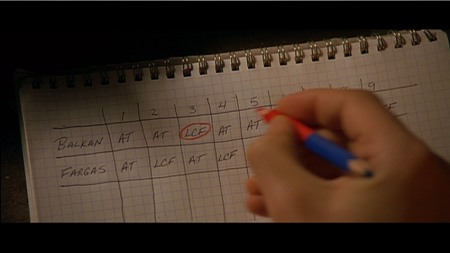
Oddly enough, while preparing this post on the weekend, I saw a red and blue pencil used in the film “The Ninth Gate”. Johnny Depp’s character (a rare book dealer) uses this type of pencil to take notes:
Red and Blue pencils

In appearance, these pencils are a great blast from the past, and both Musgraves having great styled details. The Prismacolor has a serious presentation issue – the blue end appears to be a type of foil on top of the red varnish. Since the pencil shipped with a bar code sticker on the blue end, the foil now looks extremely dated and tattered. Almost like the fallen disco ball on that bad remake of the Poseiden Adventure.
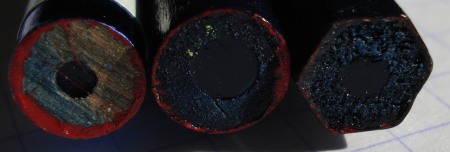
Red and Blue pencils

Despite some issues, I think the Prismacolor Verithin is the best of the lot – reliable sharpening, and rich vibrant colour.
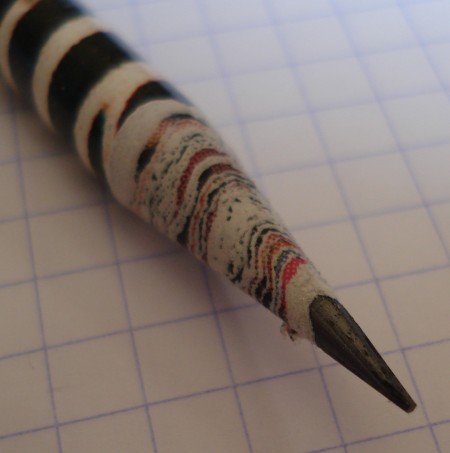
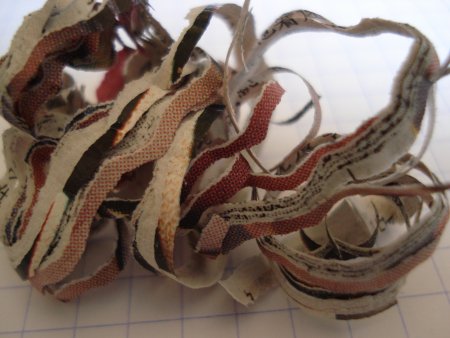
O’Bon: Say “No” to Wood Pencils

Yesterday’s San Francisco State University Xpress had an article on O’Bon. According to the article, the company is Malaysian headquartered, with sales in Asia and North America. They make “environmentally friendly” products such as pencils cased in recycled newspapers.

They operate several websites:

A blog, where they mention, among other things, that their pencils have met U.S. “dumping” definitions, and that “Giving our money to wood pencil manufacturers is painful for us.”

A product website, which says “Say “No” to Wood Pencils”.

And another product website.

I didn’t notice any citations or research in their many claims. One example: they claim their pencils last three times as long as a regular pencil.

On the wood-positive side, Woodchuck, a respected pencil industry leader, has written about responsible forestry and the pencil industry.

O’Bon and similar companies clearly have some traction, and pencil manufacturers should take note.

I have to admit one thing. There is a major difference with the various woodless and “environmentally friendly” pencils that regularly appear, but which are low in quality – O’Bon’s pencils are usable if not good.

O'Bon pencil

The O’Bon pencil weighs about 50% more than most modern pencils. It is made in China, and claims a ‘2B’ lead. Sharpening produces a huge single plume of compressed paper residue. Though very intriguing looking, the huge plume reduces the ability to be sharpened in sharpeners with enclosed canisters.

O'Bon pencil

The graphite core is strikingly black, shiny, and solid. The lead’s luminescence is different than that of a standard woodcase pencil.

Woodchuck explained this as a graphite-plastic composite material. I liken it in some ways to the lead of a mechanical pencil.

The negative for some (apart from the casing) will be the shinier than usual markings. But overall, I think most will find it good-enough, if not actually good.

Now as to their statements and claims about woodcase pencils – what do you think?

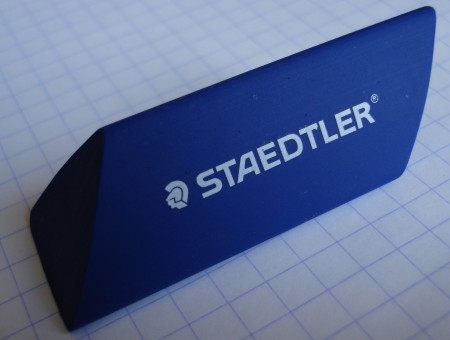
Staedtler 925 25 20 2.0mm leadholder

Staedtler 925 25 20 2.0mm leadholder

Wow, this is just a beautiful leadholder.

Staedtler 925 25 20 2.0mm leadholder

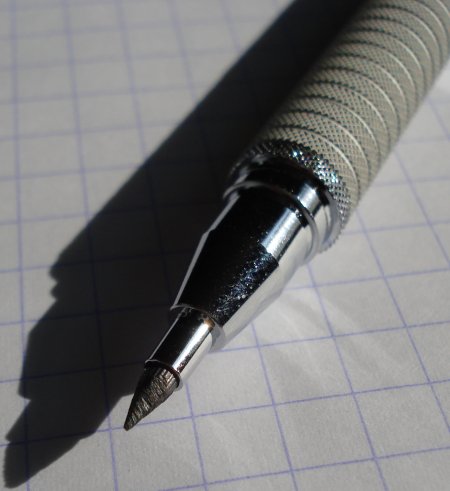
Made by Staedtler Japan, it has a number of interesting features, not least of which is a push button advance. The 2.0mm lead advances by clicking the cap. It functions just like a regular mechanical pencil, but with 2.0mm lead. Very nice.

Staedtler 925 25 20 2.0mm leadholder

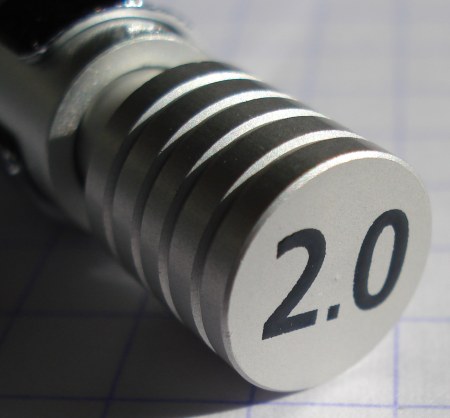
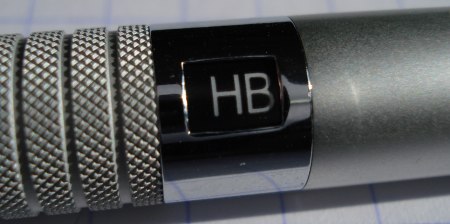
It has a cylindrical sleeve, a knurled grip similar to that of the Staedtler pencil holder, lead degree window, a clip, and the lead diameter printed on the cap – as if there could be any doubt!

Staedtler 925 25 20 2.0mm leadholder

The general intent seems to be to bring mechanical pencil features to the 2.0mm leadholder. It may not be to everyone’s taste, but in addressing the chosen task, I think Staedtler has succeeded!

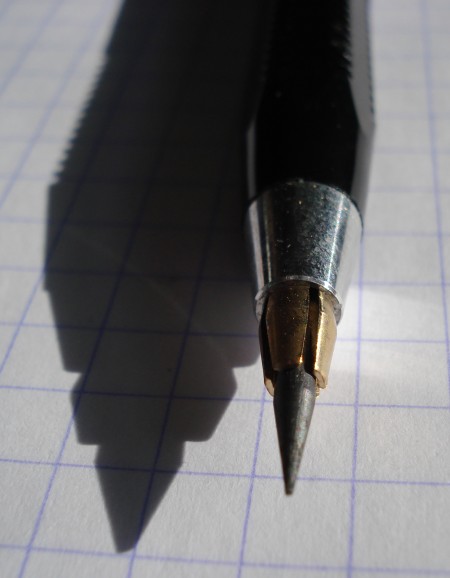
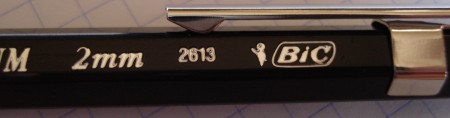
Bic Criterium 2613 2.0mm leadholder

Bic Criterium 2613 2.0mm leadholder

Bic needs no introduction. Makers of much more than ballpoint pens, their many woodcase pencils seem to rarely be exported outside of France. Similary leadholders. I would love to be able to try some modern pencils from the country that gave the world the technique of blending graphite with clay – but I have rarely seen them for sale.

The Criterium’s website says that this leadholder has been in production since 1939, and comes in plastic and aluminum varieties. I would love to get the aluminum version, but feel lucky enough to have found any model.

The Uncomfortable Chair (in Japanese) and Leadholder.com both provide some excellent photos of the aluminum version.

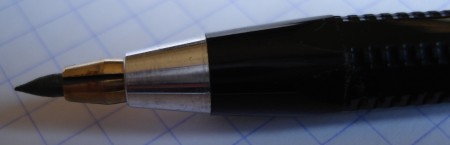
The 2613 has a hexagonal black plastic body, metal clutch and tip, metal clip, and a metal cap. The plastic feels quite solid, and the pencil (with full lead) weighs in at a comfortable 9.5g.

Bic Criterium 2613 2.0mm leadholder

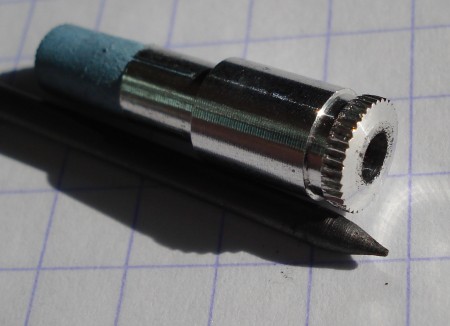
The clutch is opened and closed by pressing the cap. The cap is innovative, containing an eraser and sharpener. The sharpener is literally a hole in the cap, which at first glance appears to be just a design element. It is one of those elegant ideas that seems obvious once you know about it – yet someone had to think of this idea and design the implementation.

Bic Criterium 2613 2.0mm leadholder

The grip area has grooves in the edges of the hexagonal body. I find it to be quite comfortable.

Bic Criterium 2613 2.0mm leadholder

Overall, I like it. The understated look and the cap sharpener are the winning features.

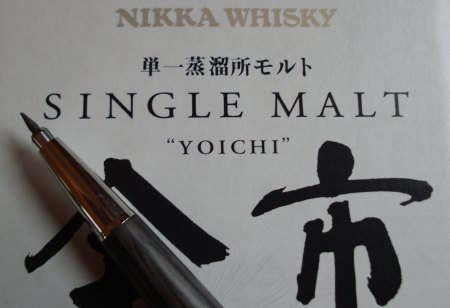
Mistubishi Pure Malt 2.0mm leadholder (and Nikka Single Malt 10yo “Yoichi” Whisky)

Mistubishi Pure Malt 2.0mm leadholder

If you think luxury writing instruments and leadholders are mutually exclusive categories, look again.

Mistubishi Pure Malt 2.0mm leadholder

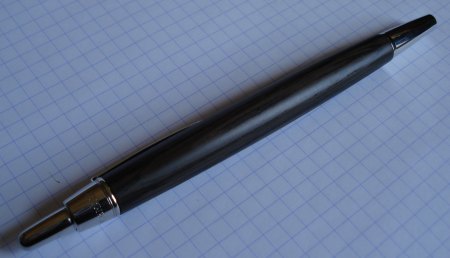
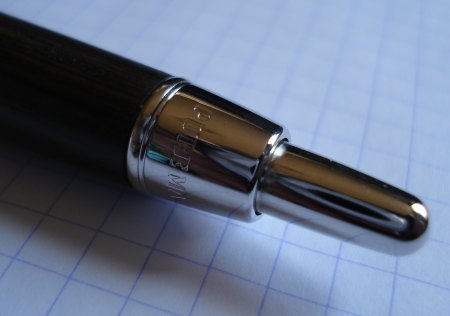
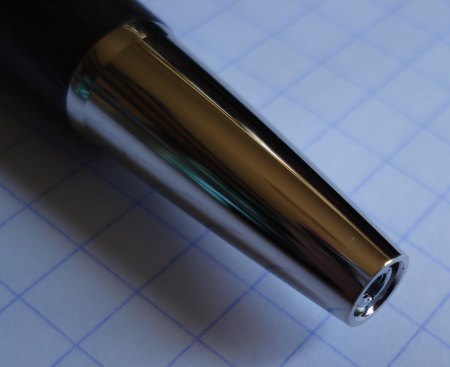
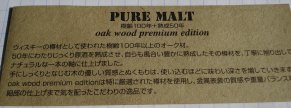
The Mitsubishi Pencil Company offers the Pure Malt leadholder, with the body made from oak reclaimed from Malt Whisky casks! (The clutch, tip, clip, and cap are metal.)

Mistubishi Pure Malt 2.0mm leadholder

It has a very sleek, clean appearance. The woodgrain is dark, smooth and elegant. Plus, it was made from a whisky cask!

Mistubishi Pure Malt 2.0mm leadholder

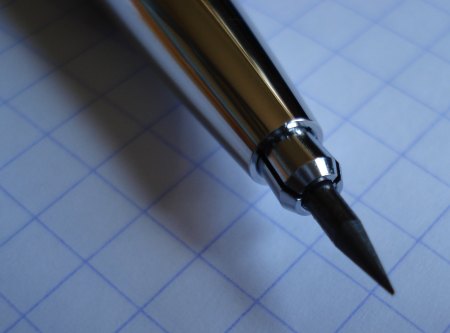
It has the great feature of a retracting clutch, making it quite portable and pocket-safe. (See photos.)

Mistubishi Pure Malt 2.0mm leadholder

I found the hold and feel quite comfortable, and like the manner in which it carries off being both a leadholder, and a fine looking writing implement.

Mistubishi Pure Malt 2.0mm leadholder

Mistubishi Pure Malt 2.0mm leadholder

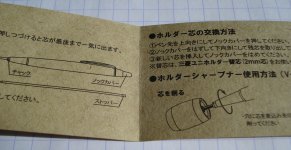
The small instruction booklet indicates there is a matching lead pointer, in a cask shape! I would love to get that item, but have not seen it for sale.

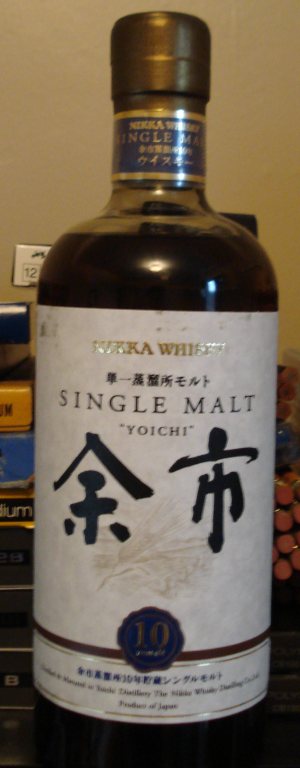
The unusual materials motivated me to seek out some actual Japanese whisky. Living in a place with a government liquor monopoly, my choice was the usual – no choice. Nikka Whisky Distilling Co.’s 10 year old single malt is the sole current offering. So Nikka it is.

(I have no knowledge of which distillery, Nikka or otherwise, provided Mitsubishi’s wood.)

Nikka Single Malt 10yo Yoichi Whisky

The bottle is a pleasing shape, and the stopper seems to have a deep coating around the cork – something I’ve never before seen.

Anyhow, on to the whisky. It is a dark straw or tea colour. The nose is pleasant to me, but at a time of year when a “warm” day is -8 degrees, I won’t claim that I can discern much. The taste is full of nuts, toffee, and fruity notes. It’s a very nice dram – as smooth as a Tombow 6B pencil. The character is very much that of a nice scotch whisky, though made many miles away.

The bottle will certainly not survive as long as the leadholder.

Two great products, not necessarily for enjoyment at the same time!